
Top EV Safety Tips Every New Owner Must Know
Electric vehicles (EVs) are revolutionizing the way we drive—offering cleaner energy, smoother rides, and advanced technology. But as a new EV owner, safety must remain your top priority. EVs operate differently from traditional fuel-powered cars, which means understanding their systems, batteries, performance characteristics, charging behavior, and emergency responses is essential.
This detailed guide covers practical EV safety tips, expert-backed advice, and real-world precautions that every new EV owner should follow. Whether you drive an EV for your daily commute or long trips, this checklist will ensure your journeys stay safe, efficient, and stress-free.
1. Understand Your EV’s Battery System
The battery is the heart of an electric vehicle. Knowing how it works prevents unnecessary wear, sudden breakdowns, and safety issues such as overheating.
Key Safety Practices
-
Avoid charging your EV from 0% or pushing it constantly to 100% unless necessary.
-
Maintain battery charge between 20% and 80% for everyday driving.
-
Use only manufacturer-approved charging cables and connectors.
-
Avoid exposing your EV to extreme heat, which can accelerate battery degradation.
Warning Signs of Battery Issues
-
Sudden drops in charge levels
-
Abnormal heat near the battery pack
-
Dashboard warnings or reduced performance
-
Burning smell (rare but critical)
2. Learn Proper EV Charging Safety
Charging is very different from refueling a petrol or diesel car. Safe charging habits prevent fires, short circuits, and expensive damage.
Charging Safety Rules
-
Always charge on certified chargers, preferably at home using a grounded connection or a verified public charging station.
-
Never use cheap extension cords or local adapters.
-
Keep the charging port and cable dry and clean.
-
Do not overload your home electrical system—install a dedicated EV circuit if possible.
Public Charging Safety
-
Inspect charger for broken pins or exposed wires.
-
Do not leave valuables visible inside the vehicle.
-
Avoid charging alone in isolated areas late at night.
3. Monitor EV Tyres Regularly
EVs are usually heavier because of battery packs. This weight increases pressure on tyres and affects safety.
Tyre Safety Checklist
-
Check tyre pressure weekly (EVs lose pressure faster).
-
Replace worn-out tyres early—EV torque wears them quicker.
-
Use EV-rated tyres for better grip and durability.
-
Rotate tyres every 7,000–10,000 km for even wear.
4. Get Familiar With Regenerative Braking
Regenerative braking recovers energy by slowing down the car without using the brake pedal. But it also changes how the vehicle behaves.
Safety Tips
-
Practice regen braking in an empty road or parking lot.
-
Do not rely solely on regen in emergencies—press the brake pedal firmly if needed.
-
During rains, regen braking may feel slippery; switch to standard braking if needed.
5. Keep Software Updated
EVs depend heavily on software for performance, safety, navigation, and battery management.
Why Updates Matter
-
Fix bugs and charging issues
-
Improve braking and stability
-
Enhance battery health
-
Add new safety features
Always update via official OTA updates only.
6. Learn EV Fire Safety (Very Rare but Important)
EV battery fires are rare but can be difficult to extinguish once ignited.
Precautions
-
Never charge the car near flammable objects.
-
Avoid driving after severe underbody impacts, as they may damage the battery.
-
If you notice smoke or burning smell, park away from people, exit immediately, and call emergency services.
7. Use Approved Accessories Only
Many new EV owners install aftermarket accessories like lights, audio systems, and custom wiring—this can void warranties or create safety hazards.
Avoid Using:
-
Non-certified LED kits
-
Local wiring jobs
-
Cheap inverters or external power taps
Use only manufacturer-approved accessories to protect your EV systems.
8. Drive Smoothly — EV Torque Is Instant
Electric vehicles accelerate instantly due to high torque. For new EV owners, this can be surprising.
Safe Driving Habits
-
Accelerate gently — instant torque can slip tyres.
-
Avoid sharp turns at high speed.
-
Maintain safe distances because EVs are nearly silent and pedestrians may not notice your vehicle.
9. Always Plan Charging Stops for Long Trips
EV range can vary due to weather, speed, and battery age.
Before Long Drives
-
Find charging stations on your route.
-
Keep backup options ready.
-
Avoid letting the charge fall below 10% during long journeys.
-
Carry a portable charger only if approved by your EV manufacturer.
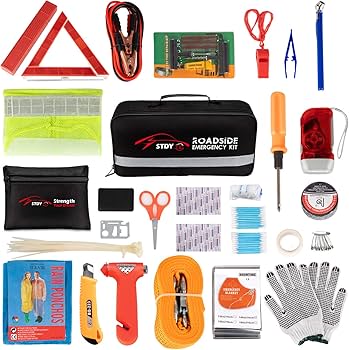
10. Store an EV-Friendly Emergency Kit
A standard car kit is not enough for an electric vehicle.
Your EV Emergency Kit Should Include
-
High-visibility jacket
-
First-aid kit
-
Portable tyre inflator
-
Emergency triangle
-
Thermal fire blanket (EV-safe)
-
Gloves for handling charging cables
11. Enable All Safety Features
Modern EVs include advanced safety tools.
Safety Features to Activate
-
Lane Keep Assist
-
Emergency Auto Braking
-
Traction Control
-
Battery Health Monitoring
-
Parking Sensors & 360° Camera
12. Weather-Specific EV Safety Tips
Your EV behaves differently in hot and cold weather.
Hot Weather Tips
-
Avoid fast charging repeatedly.
-
Keep the car parked in shade.
-
Pre-cool cabin while plugged in.
Cold Weather Tips
-
Preheat battery before driving.
-
Keep regen braking low on icy roads.
-
Expect 15–30% reduction in range.
⭐ FAQs — EV Safety
1. Are electric vehicles safe in accidents?
Yes, EVs meet strict global crash-safety standards. Battery packs are protected by reinforced frames.
2. Can an EV battery explode?
EV battery explosions are extremely rare. Following proper charging safety and avoiding physical damage reduces risk further.
3. Is it safe to wash an EV?
Yes, EVs are waterproof and safe to wash normally unless the manufacturer warns otherwise.
4. Can I leave my EV plugged in overnight?
Yes, modern EVs stop charging automatically at the limit you set. Overnight charging is generally safe.
5. Are EVs safe in rainy or flooded areas?
Light rain is fine, but avoid deep water. Battery components can short if submerged.